
Container Dimensions
Shipping Container Dimensions: What You Need to Know
Understanding the dimensions of shipping containers is crucial for anyone involved in the shipping, storage, or modification of these versatile units. This guide aims to provide a comprehensive understanding of the various dimensions and sizes available, ensuring you make an informed decision for your specific needs.
Standard Shipping Container Dimensions
The 20-Foot Container
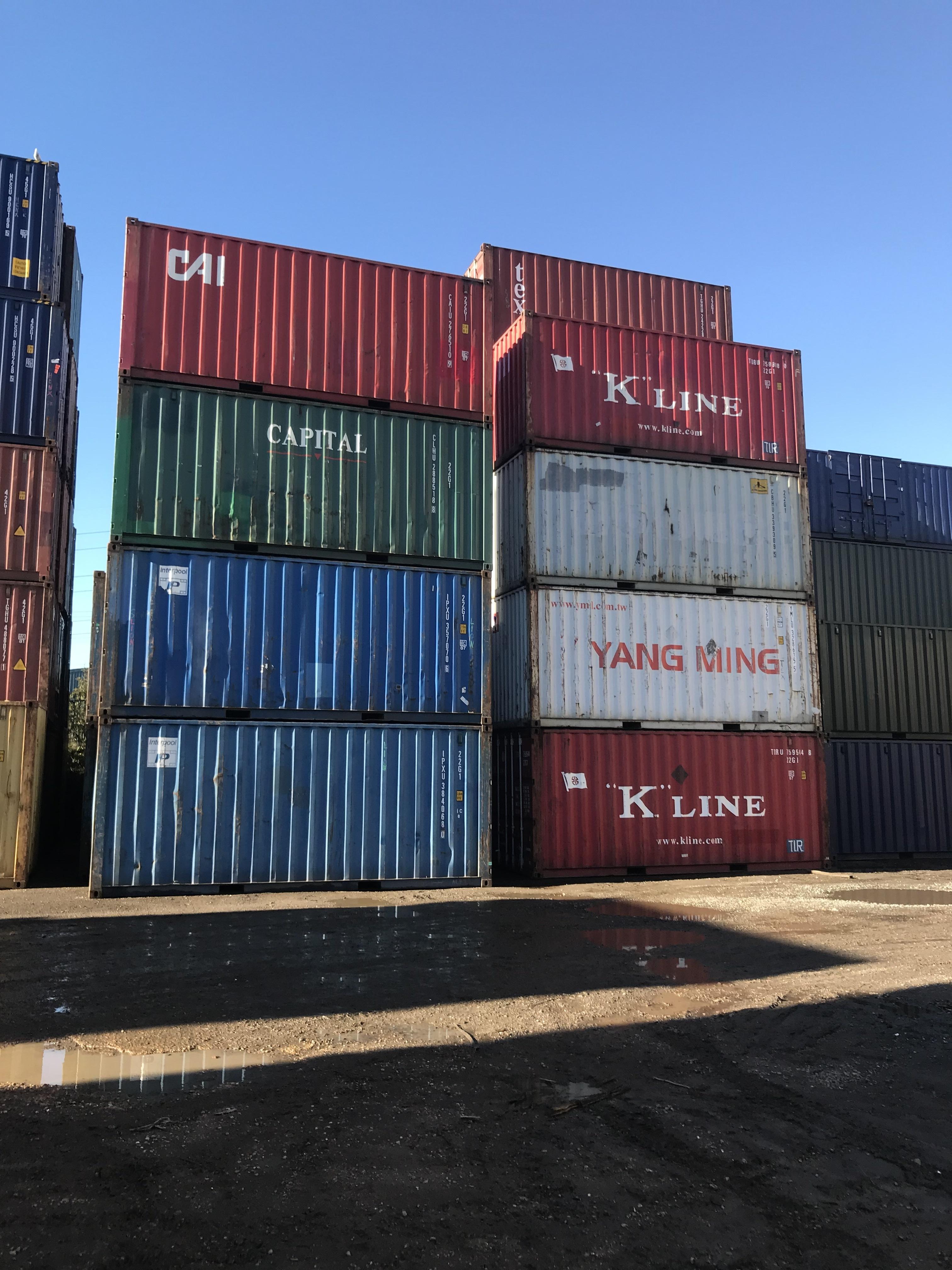
The 20-foot container is the industry standard for international shipping. It measures 20 feet in length, 8 feet in width, and 8.5 feet in height. With a maximum payload of around 22,000 kg, this container is ideal for small to medium-sized shipments.
The 40-Foot Container
For larger shipments, the 40-foot container is the go-to choice. It offers double the length of the 20-foot container, providing ample space for various goods. The height and width remain the same, but the payload capacity increases to approximately 27,000 kg.
High-Cube Containers
High-cube containers offer an additional foot in height, making them 9.5 feet tall. These containers are perfect for transporting taller items and are available in 20-foot and 40-foot lengths.
Specialised Container Dimensions
Open-Top Containers
Open-top containers are designed for goods that must be loaded from the top. They come in standard sizes but lack a solid roof, making them ideal for oversized cargo.
Refrigerated Containers
Also known as "reefers," these containers are designed for perishable goods. They come in standard dimensions but include temperature control systems.
Flat-Rack Containers
Flat-rack containers have collapsible sides and come in lengths of 20 and 40 feet. They are ideal for transporting heavy machinery and oversized items.
Factors to Consider When Choosing a Container
Space Requirements
Consider the volume of goods you plan to ship or store. Make sure to choose a container that offers sufficient space without wasting any.
Type of Cargo
The nature of your cargo may dictate the type of container you need. For example, perishable goods require refrigerated containers, while oversized items may need an open-top or flat-rack container.
Shipping Regulations
Always check the shipping regulations related to container dimensions in the country of origin and the destination country. Failure to comply can result in delays and additional costs.
Why Dimensions Matter
Cost-Efficiency
Choosing the right container size can significantly impact the cost of your shipping or storage project. Oversized containers may incur higher shipping charges, while undersized containers may require multiple shipments.
Safety
Properly sized containers ensure the safe and secure transport of your goods. Overloading or underloading can result in damaged goods and pose safety risks.
Understanding shipping container dimensions is essential for making an informed decision tailored to your needs. Knowing the various sizes and types available is crucial whether you're shipping internationally or looking for a storage solution. For more information or personalised advice, contact a Container-Sales UK representative today.
Our Container Sales website: container-sales.co.uk
tel: + 44 20 37697747